Honey Almond: A Festive and Merry Typeface for Web Design
As a web designer, I’m always on the lookout for unique and captivating typefaces that can elevate my projects. Recently, I had the opportunity to test Honey Almond, a Script Amp font that promises to add a touch of enchantment to any design. This festive and merry typeface is perfect for creating a memorable and engaging online experience.
Visual Characteristics and Personality
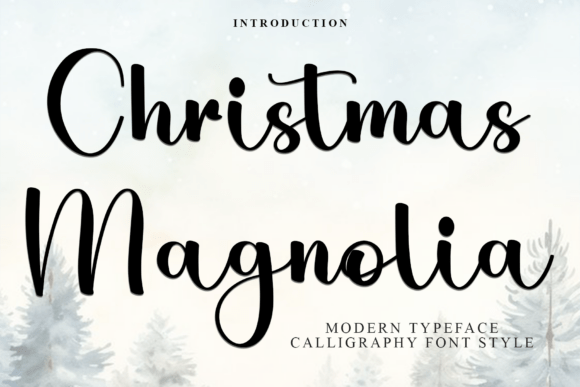
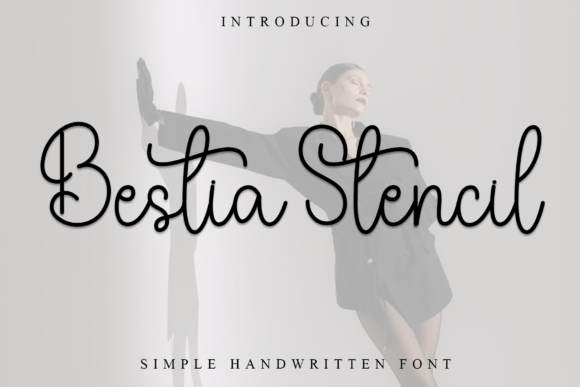
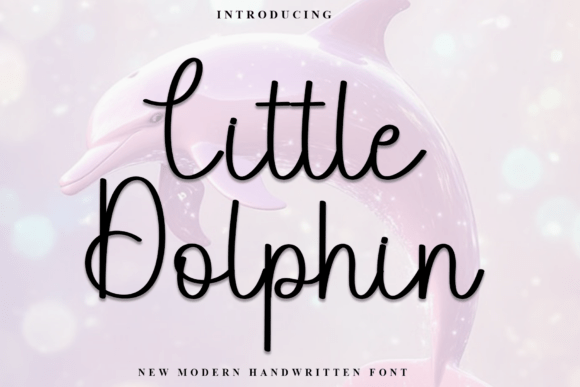
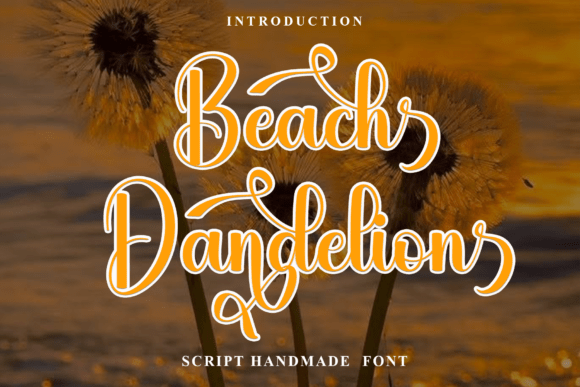
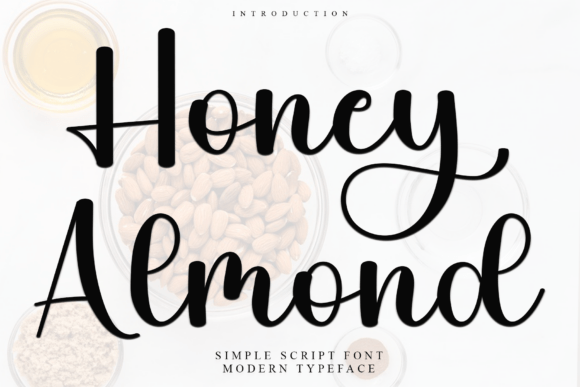
Honey Almond is a delightful and whimsical script font with decorative elements that make it stand out. Its playful and elegant style captures the spirit of the holiday season, making it ideal for seasonal campaigns, creative portfolios, and boutique online stores. The font's flowing lines and decorative swashes give it a hand-drawn, artisanal feel, which can help create a warm and inviting atmosphere on your website.
Testing Honey Almond in Real Web Layouts
I decided to test Honey Almond in a variety of web layouts to see how it performs in different contexts. First, I used it in the hero section of a boutique online store. The font’s decorative elements and whimsical flair added a touch of elegance and charm, making the header visually appealing and attention-grabbing. The text was easy to read on desktop screens, and the overall effect was both professional and inviting.
Next, I previewed Honey Almond on a mobile device. While the font still looked beautiful, I noticed that its decorative elements could be a bit too intricate for smaller screens. To ensure readability, I adjusted the font size and line height, which helped maintain the font’s charm without sacrificing legibility. This is an important consideration when using decorative fonts in responsive designs.
Using Honey Almond in Different Web Elements
Honey Almond is versatile and can be used in various web elements, but it shines best in specific areas. Here are some practical uses:
- Hero Titles and Section Headings: Use Honey Almond for main titles and headings to create a strong visual impact. Its decorative style makes it perfect for drawing attention and setting the tone for the rest of the page.
- Call-to-Action (CTA) Buttons: Incorporate Honey Almond in CTA buttons for a touch of elegance. However, keep the text short and clear to maintain readability and effectiveness.
- Logo Text and Decorative Accents: The font’s decorative elements make it an excellent choice for logo design and decorative accents. It can add a unique and memorable touch to your brand identity.
While Honey Almond is a fantastic choice for these elements, it may not be suitable for long body copy, small navigation text, or dense dashboard layouts. For these areas, consider pairing Honey Almond with a clean sans serif font, such as Arial or Helvetica, to ensure readability and a balanced design.
Readability and Responsive Design
One of the key considerations when using a decorative font like Honey Almond is readability. Here are some tips to ensure your text remains legible across different devices and screen sizes:
- Adjust Font Size and Line Height: Increase the font size and line height for better readability, especially on mobile devices. This helps maintain the font’s decorative elements while ensuring the text is easy to read.
- Use High Contrast Colors: Ensure there is a high contrast between the text and background. This is particularly important for image overlays and dark backgrounds, where the text needs to stand out.
- Limit Use in Dense Areas: Avoid using Honey Almond in areas with a lot of text, such as long paragraphs or form labels. Instead, use it for short, impactful phrases and headings.
By following these guidelines, you can effectively use Honey Almond in your web designs while maintaining a professional and user-friendly experience.
Font Pairing and Brand Consistency
To create a cohesive and professional look, consider pairing Honey Almond with a complementary font. A simple sans serif font, such as Roboto or Lato, can provide a clean and modern contrast to the decorative elements of Honey Almond. This combination works well for body text, navigation, and other areas where readability is crucial.
For a more editorial and sophisticated look, you might pair Honey Almond with a classic serif font, such as Merriweather or Georgia. This can add a touch of elegance and refinement to your design, making it suitable for portfolio sites, blog headers, and digital brand kits.
Before using Honey Almond in your web projects, make sure to check the included styles, alternates, ligatures, and weights. Additionally, verify that the font supports the languages you need and that you have the appropriate commercial license for your intended use. This will ensure that your design assets are both functional and legally compliant.
In conclusion, Honey Almond is a versatile and charming typeface that can add a festive and enchanting touch to your web designs. By using it thoughtfully and considering its readability and responsiveness, you can create a visually appealing and engaging online experience that resonates with your audience. Whether you’re designing a creative portfolio, a boutique online store, or a promotional landing page, Honey Almond is a font that can help you stand out and make a lasting impression.