Happy Bunny: A Stylish Script Font for Creative Branding
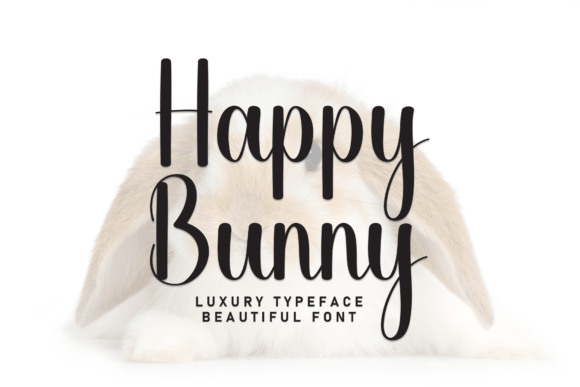
When I first opened my design software to start a new project for a local café, I knew I needed a font that would capture the essence of their cozy, artistic vibe. Enter Happy Bunny, a stylish script font that exudes both artistic flair and contemporary elegance.
First Impressions and Visual Characteristics
As I began sketching out some initial logo concepts, I was immediately drawn to Happy Bunny's fluid brush strokes and dynamic curves. The expressive letterforms felt like they were painted with a real brush, adding a touch of authenticity and charm. This font isn't just about looking pretty; it has a personality that can really set the tone for a brand.
Testing the Font in Logo Design
I started by testing Happy Bunny in a few different logo designs. The café’s name, "Cup & Crumb," looked fantastic in this script. The fluidity of the letters made the name feel inviting and warm, perfect for a place where people come to relax and enjoy a good cup of coffee. The font's unique style also helped the logo stand out, making it memorable and recognizable.
Brand Identity and Consistency
Once the logo was finalized, I moved on to creating a consistent brand identity. I used Happy Bunny for the main headings and titles across all branding materials. From business cards to menu boards, the font maintained a cohesive and professional look. The café's brand now had a distinct voice that was both elegant and approachable.
Readability and Visual Hierarchy
While Happy Bunny is a beautiful display font, it's important to consider readability, especially for longer text. For the café's menu, I paired Happy Bunny with a clean sans serif font, Roboto. This combination allowed the script to shine in the headings while keeping the body text easy to read. The visual hierarchy was clear, and the overall design felt balanced and professional.
Designing Packaging and Product Labels
Next, I designed some packaging for the café's in-house baked goods. The labels for the pastries and cookies featured Happy Bunny prominently. The font's expressive letterforms added a touch of whimsy and charm, making the products feel special and handcrafted. The packaging not only looked great but also aligned perfectly with the café's brand identity.
Social Media Graphics and Web Design
For the café's social media presence, I created a series of Instagram posts and stories. Happy Bunny was a natural fit for the headlines and callouts. The font's dynamic curves and fluidity made the graphics eye-catching and engaging. On the café's website, I used Happy Bunny for the hero section and key headings, ensuring that the brand's personality shone through every page.
Practical Advice for Testing the Font
Before fully committing to using Happy Bunny in a full brand system, I recommend testing it in various contexts. Try it on a shop sign, a business card, and even a product mockup. This will help you see how the font performs in different sizes and environments. It's also a good idea to check the included styles, alternates, and ligatures to add variety and uniqueness to your designs.
Font Pairing and Commercial Licensing
When pairing Happy Bunny with other fonts, consider a classic serif like Baskerville or a modern sans serif like Montserrat. These combinations can create a sophisticated and versatile typographic palette. Additionally, make sure to check the commercial licensing terms, as this is a premium font that offers multilingual support and multiple file formats, making it suitable for a wide range of creative projects.
Conclusion
Happy Bunny is more than just a font; it's a design asset that can elevate any branding project. Its artistic flair and contemporary elegance make it a perfect choice for a café, boutique, or any creative business. By carefully integrating it into your designs, you can create a consistent, professional, and visually appealing brand identity that resonates with your audience.